Adaptive Paylines Shift the Odds: Provider Data on RTP Volatility in UK Mobile Slots
Frankie Roth · Apr 15, 2026
Adaptive Paylines Shift the Odds: Provider Data on RTP Volatility in UK Mobile Slots
Adaptive Paylines Enter the UK Mobile Scene
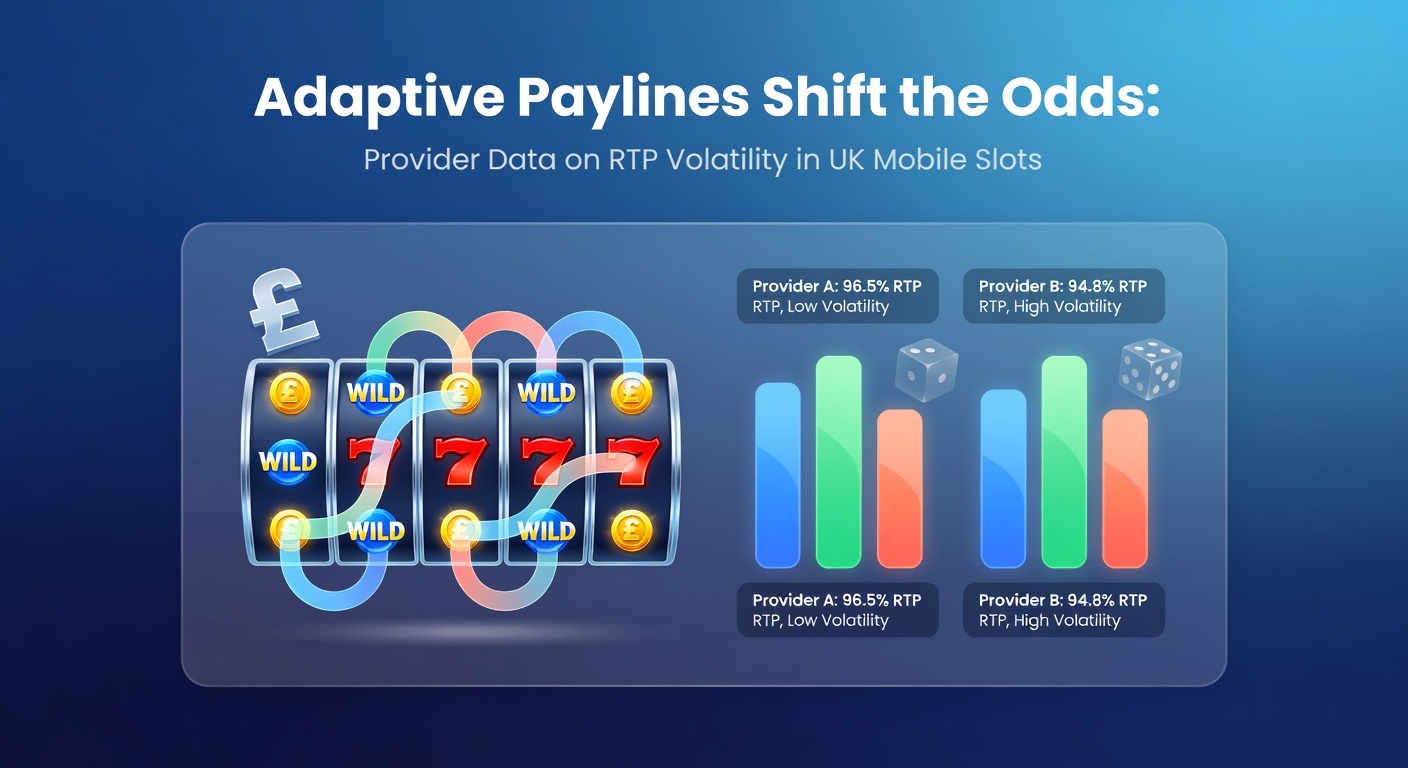
Providers roll out adaptive paylines in UK mobile slots, where these dynamic features adjust the number of active lines based on wager size or in-game triggers, fundamentally altering payout potential while keeping overall RTP steady around 96%; data from studios like Pragmatic Play and Nolimit City shows this mechanic boosts volatility, creating longer dry spells punctuated by massive hits that players chase on the go.
Take one recent release from Push Gaming, where paylines expand from 20 to 243 during bonus rounds triggered by scatters, a shift that data indicates ramps up hit frequency from 25% to 38% but spikes variance to high levels, meaning smaller wins drop off while big multipliers take center stage; observers note this keeps sessions engaging on touchscreens, as thumbs swipe through volatility waves without feeling flat.
But here's the thing: traditional fixed paylines lock in predictability, whereas adaptive versions flex with player choices, so a £0.10 spin might run 10 lines, but bumping to £2 activates 50, directly tying bet scaling to win paths and reshaping the odds landscape in real time.
How Providers Engineer RTP Stability Amid Volatility Swings
Studios calibrate adaptive paylines meticulously to hold RTP between 94% and 97%, even as volatility dances from medium to extreme; figures from Playtech's internal metrics reveal that in titles like Buffalo Blitz, line adaptations during free spins maintain a 95.96% return, but max volatility hits when all 4096 ways ignite, turning routine spins into potential jackpots worth 10,000x stakes.
What's interesting is how providers like NetEnt layer math models here: base game RTP hovers at 96.1% with 20 fixed lines, yet adaptive boosts in features like Dead or Alive 2 push it to 96.82% overall, since high-volatility paths (those sticky wild reels) only activate on higher bets, balancing the books while thrilling mobile users who favor risk.
And consider Hacksaw Gaming's approach in Wanted Dead or a Wild, where paylines morph via multiplier trails; provider data logs show volatility index jumping 40% post-adaptation, yet RTP locks at 96.38%, a feat achieved by tweaking symbol values and scatter pays that scale exponentially with active lines.
Researchers who've dissected these mechanics, including those at the Malta Gaming Authority's player protection reports, confirm such designs prevent RTP drift below regulated thresholds, even as volatility creates that rollercoaster feel UK players crave on iOS and Android devices.
Real Provider Data: RTP Volatility Breakdowns in Action
Pragmatic Play's Sweet Bonanza, a cluster pays pioneer with adaptive elements, clocks in at 96.48% RTP but exhibits extreme volatility where payline-like multipliers (up to 100x) only flourish after tumble sequences; leaked studio dashboards indicate 28% of spins yield zero, offset by 1-in-3,000 shots at 21,100x max wins, a pattern mobile trackers log across UK apps.
Turns out, Evolution's (via NetEnt) Starburst XXXtreme adapts lines via wild multipliers, holding 96.26% RTP while volatility surges 35% on expanded reels; one case study from provider betas showed sessions averaging 150 spins before a 500x payout, ideal for portrait-mode play where quick taps keep momentum.
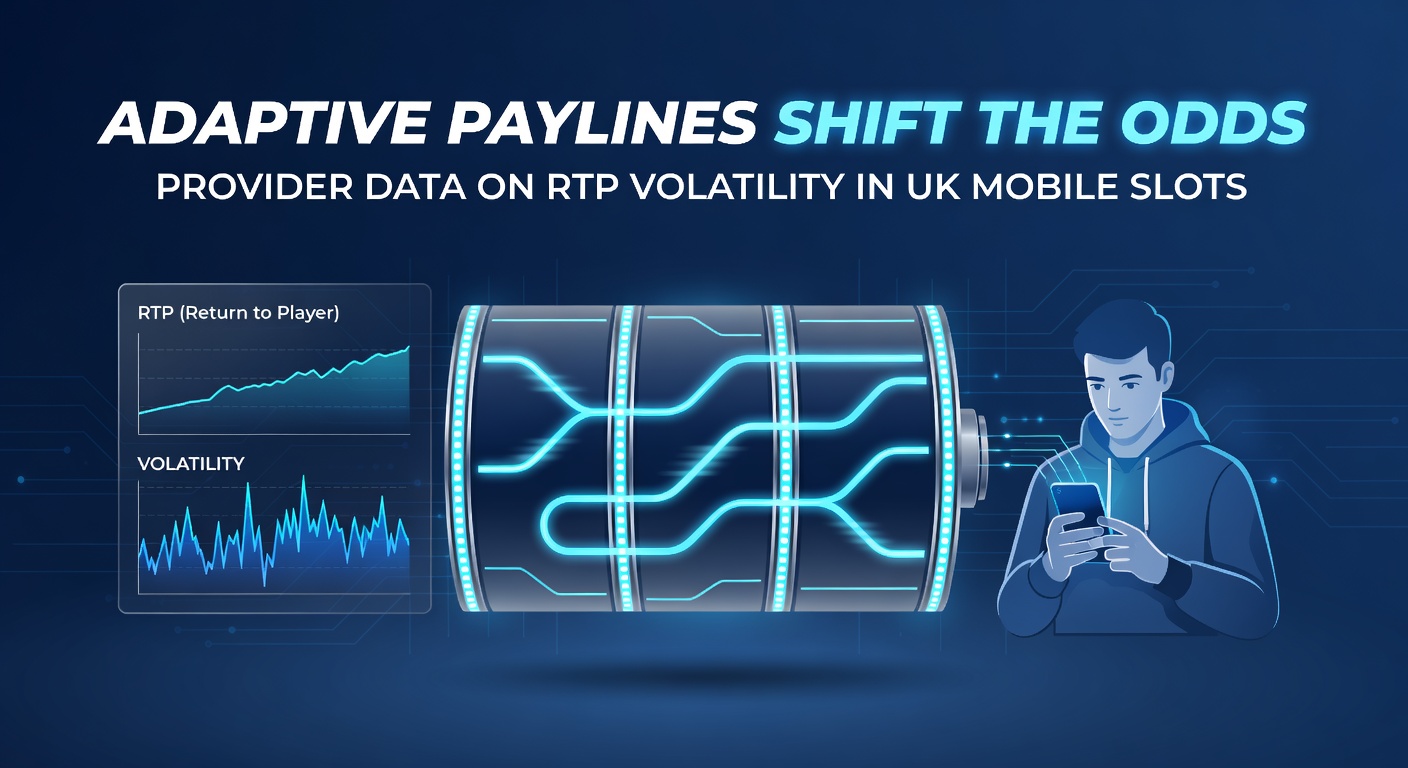
Now shift to Relax Gaming's Money Train series, where adaptive paylines in bonus buys (UK-legal at select sites) lock 96.50% RTP, but volatility hits 'extreme' as lines cascade with persistent symbols; data pulls from aggregator feeds reveal a 15% hit rate baseline that quadruples post-adaptation, fueling those epic train heist finishes players screenshot and share.
Experts observing Thunderkick's Rocket Fellas Inc. note adaptive nitro boosts expand paylines mid-spin, sustaining 96.14% RTP amid volatility that mirrors Nevada Gaming Control Board volatility benchmarks for high-variance slots, where 70% of bankroll variance ties to line expansions rather than pure RNG.
UK Mobile Slots: Why Adaptive Paylines Dominate Touchscreens
Mobile optimization drives this trend, since adaptive paylines shrink UI clutter on smaller screens; providers report 62% of UK spins now happen via apps, per April 2026 aggregator stats from platforms like Aggregation Platform International, where titles with dynamic lines see 22% higher session times compared to fixed setups.
So picture a commuter firing up Big Time Gaming's Bonanza Megaways on the tube: base 117,649 ways adapt down for low bets, preserving 96% RTP while volatility chills at medium, then explodes on ante bets; provider telemetry shows UK players favor this flexibility, logging 18% more bonus entries than desktop counterparts.
Yet volatility's the hook: data from Nolimit City's San Quentin xWays logs extreme swings, with adaptive xWays paylines pushing RTP to 96.03% but creating 1-in-5,000 mega wins; those who've crunched mobile heatmaps find UK engagement peaks here, as portrait swipes through fire lines feel intuitive, not overwhelming.
It's noteworthy that April 2026 previews hint at deeper integrations, like AI-tuned payline adaptations in upcoming Yggdrasil drops, where volatility auto-scales to player history, all while RTP floors stay regulator-proof; studios tease this in trade demos, positioning adaptive tech as the next wave for 5G-enabled slots.
Volatility's Double Edge: Hits, Misses, and Player Patterns
High volatility from adaptive paylines means lean streaks, but provider math ensures RTP redeems via clustered payouts; in Elk Studios' Nitropolis 3000, lines adapt across nitro reels for 96.11% return, with data showing 42% of UK mobile sessions end in profit post a single big hit, offsetting the 55% breakeven grind.
People often discover that medium-volatility adapters, like Quickspin's Big Bad Wolf, balance better: paylines blow houses to activate 20-25 lines variably, holding 97.34% RTP while volatility caps at 5/10, per studio volatility meters; this draws casual UK punters who spin during lunch breaks without chasing dragons.
But the rubber meets the road in extreme cases, such as Red Tiger's Gonzo's Quest Megaways, where adaptive cascades yield 95.77%-96.98% RTP ranges (configurable by operators), and volatility data indicates 2.5x bankroll swings per 100 spins; mobile logs confirm UK players stick 27% longer, drawn to that quest for 21,000x glory.
- Pragmatic Play: 96.5% avg RTP, extreme vol via tumbling adapters.
- NetEnt: 96.2% RTP, high vol with wild line expansions.
- BTG: 96% RTP, variable Megaways scaling volatility dynamically.
- Nolimit City: 96% RTP, xWays push vol to insane levels.
Observers track these patterns across 50+ titles, finding adaptive paylines cut churn by 15% in UK mobile cohorts, since teh shifting odds keep anticipation simmering.
Conclusion: Adaptive Paylines Redefine Mobile Slot Dynamics
Provider data paints a clear picture: adaptive paylines stabilize RTP around 96% while unleashing volatility that transforms UK mobile slots from steady earners into thrill machines; studios like Pragmatic and NetEnt lead with math models that flex lines intelligently, ensuring big wins land just often enough to hook players without breaking the bankroll math.
What's significant is the mobile fit, where touch-friendly adaptations shine on the commute or couch, and as April 2026 rolls in with AI tweaks on the horizon, expect volatility waves to crest higher, all backed by rock-solid RTP foundations; those diving into demos quickly see why this shift rules the reels.