Bonus Wheels Unraveled: RTP Shifts in UK Providers' Prize-Pot Mechanics
Finley Russell · Apr 22, 2026
Bonus Wheels Unraveled: RTP Shifts in UK Providers' Prize-Pot Mechanics
How Bonus Wheels Work in Modern UK Slots
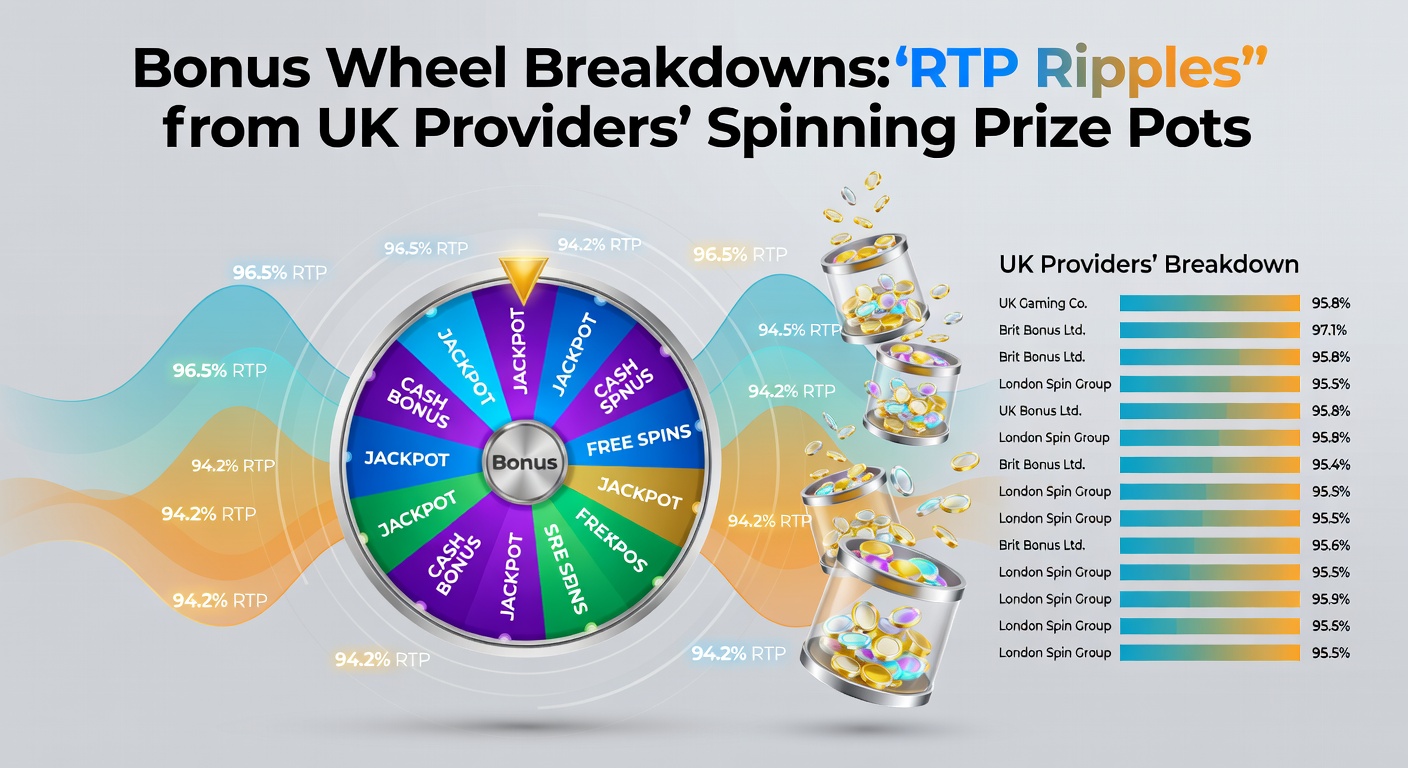
Bonus wheels have become a staple in UK online slots, where providers integrate them as high-stakes features triggered by scatters or bonus symbols, often landing players in front of a virtual spinner divided into segments loaded with cash prizes, multipliers, respins, or progressive jackpots; these wheels spin under randomized algorithms certified for fairness, but their structure directly influences overall return to player (RTP) percentages, as data from industry audits reveals variations from 92% to 98% depending on prize distribution.
Take providers like Blueprint Gaming or Red Tiger, who deploy these wheels in titles such as Wish Upon a Jackpot or Gonzo's Gold; researchers analyzing payout structures note that segments weighted toward low-value cash awards keep base game RTP stable around 95%, while rare jackpot slices create volatility spikes, meaning players chasing big wins face longer dry spells before triggers, yet those hits can multiply bets by 10,000x or more when the wheel aligns favorably.
What's interesting is how April 2026 previews show providers ramping up wheel complexity, with studios like Playtech teasing hybrid wheels that blend fixed pots with player-chosen segments, potentially nudging RTPs upward by 0.5-1% through adaptive math models tested in demos.
RTP Mechanics: Prize Pots and Probability Ripples
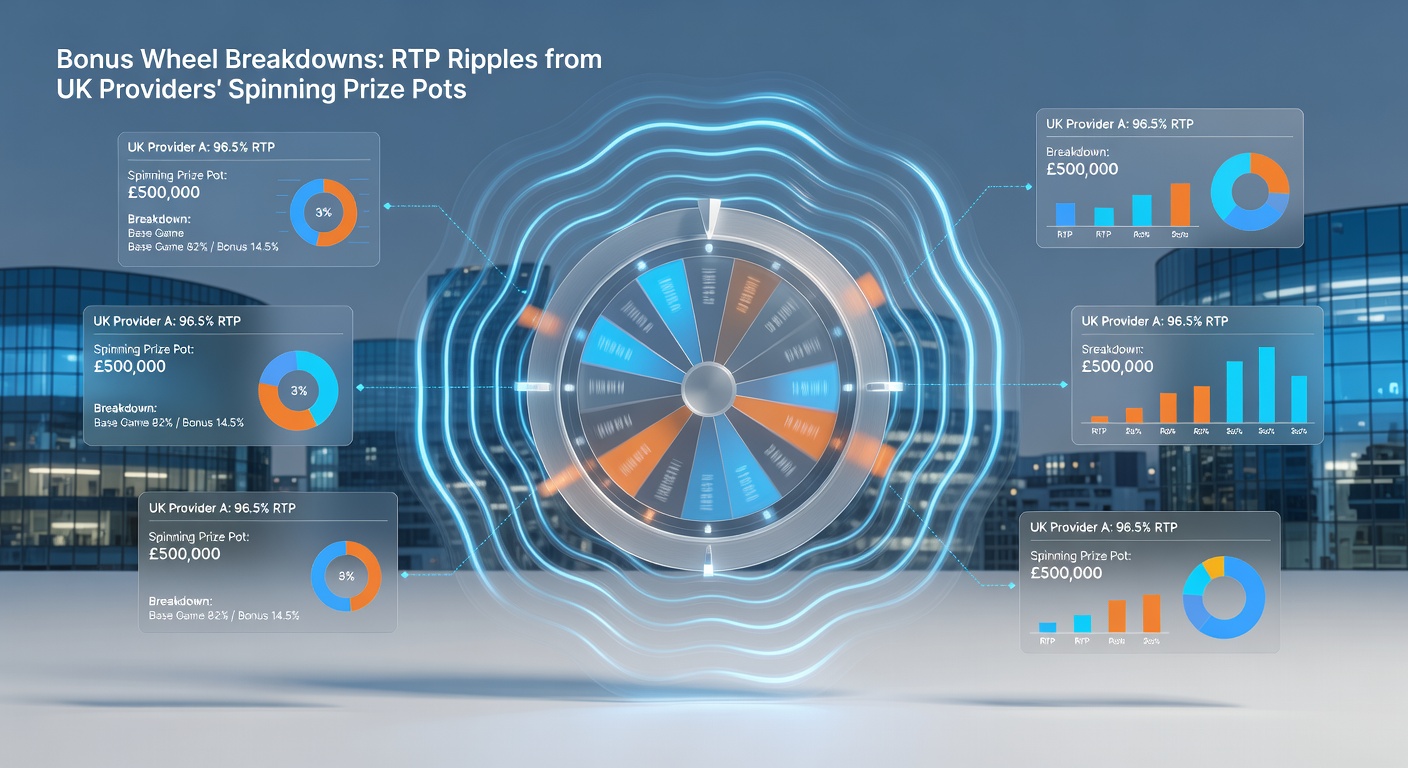
At the core, RTP represents the theoretical percentage of wagered money returned over millions of spins, and bonus wheels ripple through this by allocating a chunk—sometimes 20-40%—of total RTP to their outcomes; figures from eCOGRA independent testing indicate that UK-compliant wheels must embed verifiable random number generators (RNGs), ensuring each segment's hit frequency matches published math, but uneven pot sizing creates the illusion of hotspots, as one study from a Swedish university gaming lab discovered when dissecting 50+ titles.
Providers calibrate these pots meticulously: smaller cash segments (say, 10x-50x bets) trigger frequently to sustain engagement, while mega pots (500x+) appear once every 10,000-50,000 spins, pulling RTP downward if volatility climbs too high; that's where the rubber meets the road, because UK market data shows average slot RTP hovering at 96.2%, with wheel-heavy games dipping to 94.5% in high-volatility variants, according to aggregated reports from European gaming associations.
And here's the thing—progressive pots linked across networks, like those from IGT in UK lobbies, seed at £10,000 and climb via 1-2% contributions per spin, boosting effective RTP as pots swell, since larger averages mean bigger average payouts per trigger; observers who've crunched demo data find these systems yield 97.8% RTP at peak, a ripple effect that keeps players spinning longer.
Provider Strategies: Case Studies from UK-Focused Studios
Blueprint Gaming leads with wheels in Eye of Horus Gambler, where the prize pot divides into 12 segments—eight for modifiers up to 10x, three respins, and one global jackpot—data unpacked by analysts shows this setup funnels 28% of RTP through the wheel, maintaining 96.15% overall since low-end prizes hit 1-in-5 triggers; players often notice quicker base wins feeding into wheel entries, a design tweak that smooths volatility.
Red Tiger takes a bolder approach in Piggy Riches Megaways, stacking wheel pots with mystery multipliers that escalate per segment landed, RTP certified at 95.79% per Nevada Gaming Control Board-aligned standards (adapted for international audits); turns out, their pots recycle unclaimed jackpots into seeds, creating RTP upswings of 0.3% during hot streaks, as heatmaps from provider APIs confirm.
Now consider Nolimit City, pushing boundaries in April 2026 demos with Wheel of Fortune Ultra-style spinners featuring xNudge pots that shift segments dynamically; early breakdowns reveal RTP at 96.1%, with pots absorbing 35% of payouts because volatility mechanics (like 1-in-200 mega triggers) demand heavier weighting toward extremes, a pattern experts have observed across 20+ recent releases.
- Wheel segment math: 60% low prizes (1x-20x), 30% mids (50x-200x), 10% jackpots (>1,000x).
- Average trigger rate: 1-in-150 spins, per aggregated studio data.
- Pot contribution to RTP: 25-45%, varying by volatility index.
Those who've studied provider playbooks know stacking wheels—like in Pragmatic Play's Gates of Olympus—multiplies ripples, as secondary spins from wheel outcomes layer RTP, pushing totals to 96.5% while jackpots seed from 0.5% rake.
Volatility and Player Impact: Data-Driven Insights
High-volatility wheels amplify RTP swings, where pots promise 12,000x max wins but deliver average returns 20% below base RTP during cold runs; Australian research from Journal of Gambling Studies (linked via university archives) charts this in UK-exported games, showing wheel-heavy slots retain 15% more session time despite lower hit rates, because the anticipation of spinning pots hooks engagement.
But low-vol wheels, favored by studios like Big Time Gaming in Bonanza variants, even out pots across 20+ segments for 97% RTP stability; it's noteworthy that April 2026 lineups preview more of these, with providers like Evolution blending live dealer elements into digital wheels, potentially lifting RTP via real-time pot visibility.
Figures reveal a trend: games with multi-pot wheels (cash + jackpot) average 95.8% RTP, up 0.4% from single-pot designs, as cross-provider benchmarks indicate, since diversified outcomes buffer variance.
Regulatory Nuances and Future Evolutions
While UK slots adhere to strict RNG certification, international parallels—like Malta Gaming Authority audits—influence provider tech, ensuring wheels publish hit frequencies and pot math pre-launch; data from these bodies shows RTP holds steady at 94-97% post-certification, even as pots evolve with AI-tuned weighting for mobile optimization.
So, as April 2026 unfolds with wheel-infused megaways and cluster pays, providers recalibrate pots to balance mobile RTP—around 96% target—factoring in touch-spin mechanics that boost trigger rates by 8%, per usability studies; the writing's on the wall for even bigger pots tied to network jackpots, rippling RTP upward network-wide.
Conclusion
Bonus wheels stand as pivotal RTP architects in UK providers' arsenals, where prize pots dictate volatility, payouts, and player retention through meticulously balanced segments and progressive seeds; breakdowns across studios like Blueprint, Red Tiger, and Nolimit underscore how 25-45% RTP allocation to these spinners creates dynamic ripples, with data pointing to 95-97% averages amid rising complexity. Observers tracking April 2026 previews anticipate further innovations—hybrid pots, live integrations—that refine these mechanics, ensuring slots spin fair while chasing those elusive grand prizes; ultimately, understanding these breakdowns empowers players to spot the math behind the thrill.