Cluster Pay Mechanics Reshaping Volatility Patterns in Multiplier Jackpot Slot Designs
Petra Bennett · Aug 5, 2026
Cluster Pay Mechanics Reshaping Volatility Patterns in Multiplier Jackpot Slot Designs
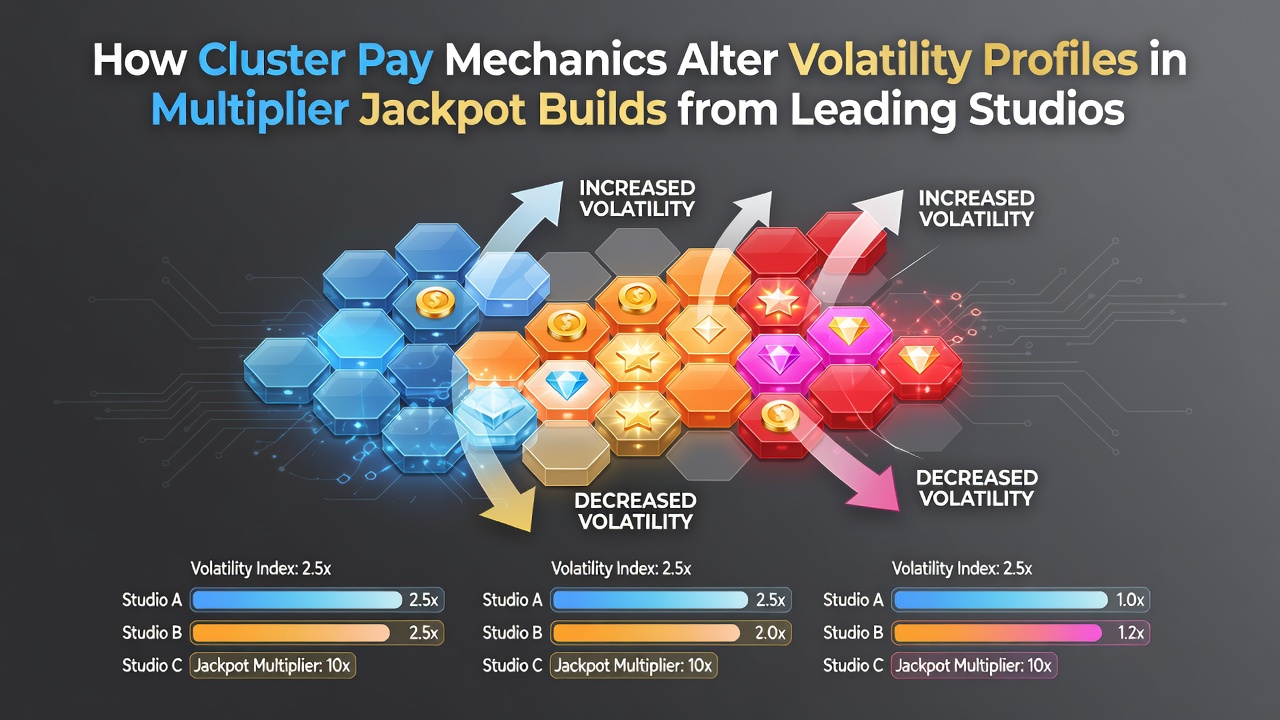
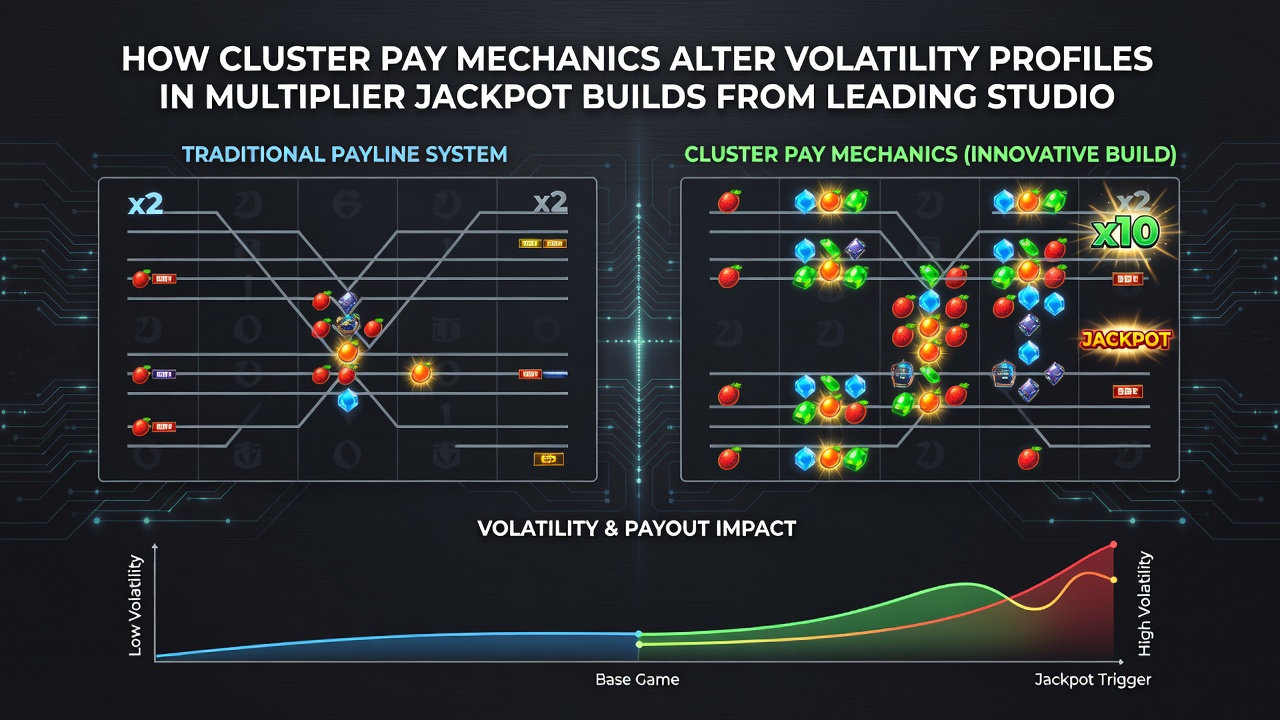
Cluster pay systems replace traditional paylines with requirements for adjacent symbol groups, and this shift directly modifies how volatility distributes across multiplier jackpot builds from major development studios. Data collected through 2026 indicates that clusters generate more frequent small-to-medium payouts while concentrating larger outcomes around jackpot triggers, creating distinct risk curves compared to fixed-line configurations.
Mechanics Behind Cluster Formation and Payout Distribution
Leading studios implement cluster mechanics where five or more matching symbols in connected positions award prizes, and this structure expands hit frequency because multiple overlapping groups can form simultaneously on a single spin. Researchers tracking game performance note that the removal of rigid line constraints allows symbols to contribute to wins from various board positions, which smooths out some base game variance but introduces new dependencies when multipliers attach to jackpot features. Studios adjust reel heights and symbol weights accordingly, since larger clusters become necessary for accessing enhanced multiplier tiers that feed into progressive or fixed jackpot pools.
Volatility Adjustments in Multiplier-Enhanced Builds
Multiplier jackpot layers amplify specific cluster outcomes, and this combination produces volatility profiles that rise sharply once cluster size thresholds activate bonus multipliers. Observers analyzing studio releases observe that games incorporating 2x to 10x multipliers on jackpot clusters exhibit wider swing ranges than standard cluster titles, because the multiplier application concentrates value into fewer but more substantial events. Data from performance metrics compiled through August 2026 shows elevated standard deviation in return sequences for these titles, particularly when jackpot multipliers scale with cluster size or when cascading removals chain additional multiplier opportunities.
Comparative Data Across Development Approaches
Analysis of titles from different studios reveals consistent patterns where cluster density influences jackpot accessibility. One approach uses expanding reels that increase cluster potential during bonus rounds, thereby elevating volatility as players chase higher multiplier brackets. Another method caps maximum cluster sizes while layering persistent multipliers across spins, which moderates base volatility yet preserves high-end jackpot variance. Figures released by the Nevada Gaming Control Board highlight that player session data for cluster-based jackpot games often displays longer dry spells punctuated by multiplier-driven recoveries when compared against line-based equivalents.
Studios refine these profiles through symbol distribution algorithms that balance cluster formation probabilities against jackpot entry requirements. This calibration ensures that incremental cluster growth feeds directly into multiplier escalation paths, and the result appears in session statistics as distinct peaks in win distribution graphs. Those who examine internal testing logs note that adjustments to wild symbol placement or cascade frequency further modulate how quickly volatility escalates once a multiplier jackpot sequence begins.
Integration With Cascading and Removal Features
Cascading mechanics frequently accompany cluster pays, and each removal sequence can rebuild clusters while accumulating multipliers that apply to pending jackpot awards. This layering extends the tail of the volatility distribution because successive cascades increase the likelihood of reaching multiplier thresholds that unlock jackpot contributions. Performance records indicate that titles featuring unlimited or extended cascades paired with jackpot multipliers demonstrate higher peak-to-trough ratios in player return data, reflecting the compounding effect on larger cluster formations.
Developers incorporate these elements selectively, since excessive cascade depth can compress perceived volatility by creating more frequent medium outcomes before jackpot activation. Studies compiled by the International Gaming Institute document how controlled cascade limits paired with escalating multipliers maintain elevated variance levels while preserving the cluster-driven hit rate advantages. As of August 2026, several studio releases demonstrate refined implementations that tie cascade count directly to multiplier growth rates, thereby linking mechanical progression to jackpot volatility outcomes.
Conclusion
Cluster pay mechanics alter volatility profiles in multiplier jackpot builds by shifting payout frequency and concentrating value through size-based multipliers and cascade chains. Data from regulatory bodies and research institutions continues to track these interactions as studios refine symbol weighting, reel configurations, and multiplier scaling to achieve targeted risk distributions. The resulting games exhibit measurable differences in session variance compared with traditional formats, with patterns documented across multiple development pipelines.