Examining Interactions Between Random Multipliers and Progressive Pools in Modern Digital Slot Designs
Petra Bennett · Aug 9, 2026
Examining Interactions Between Random Multipliers and Progressive Pools in Modern Digital Slot Designs
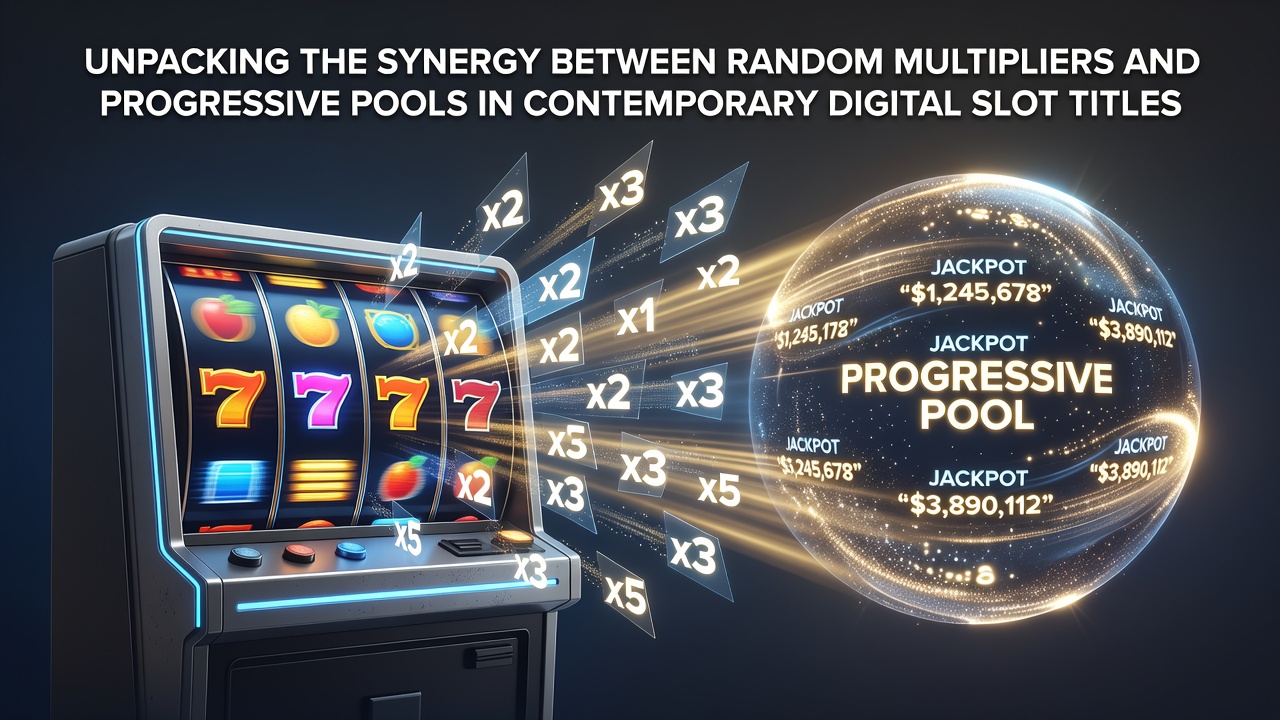
Contemporary digital slot titles combine random multipliers with progressive pools to create layered payout structures that respond dynamically to player activity and game algorithms, and data from industry reports indicate these elements appear together in an increasing number of releases through August 2026. Developers integrate multipliers that trigger on specific symbol combinations or bonus rounds while progressive pools accumulate contributions from wagers across networked machines, which produces variable prize sizes that scale with overall participation rates.
Core Mechanics of Random Multipliers
Random multipliers operate through predefined probability tables that assign values such as 2x, 5x, or higher during base game spins or feature activations, and these values alter the final payout amount once a winning combination lands on the reels. Software providers program these triggers independently of the base reel outcomes in many cases, which allows multipliers to apply retroactively to completed lines or to future spins within a session window. Research from regulatory analyses shows that multiplier frequency rates range between 3 percent and 12 percent depending on the title's volatility setting, while the distribution of multiplier values follows weighted random number generation that favors lower figures to maintain return-to-player consistency.
Structure and Growth of Progressive Pools
Progressive pools collect a fixed percentage of each wager from linked machines or online instances, and the accumulated amount carries forward until a qualifying win resets or reduces the total. Networked systems connect terminals across multiple jurisdictions in some deployments, which expands the player base contributing to the pool and accelerates growth rates compared with standalone machines. Figures from the Nevada Gaming Control Board reveal that progressive contributions typically range from 1 percent to 3 percent of each bet, and the resulting pools in major titles have exceeded several million dollars during peak accumulation periods in recent years.
Synergistic Effects in Combined Systems
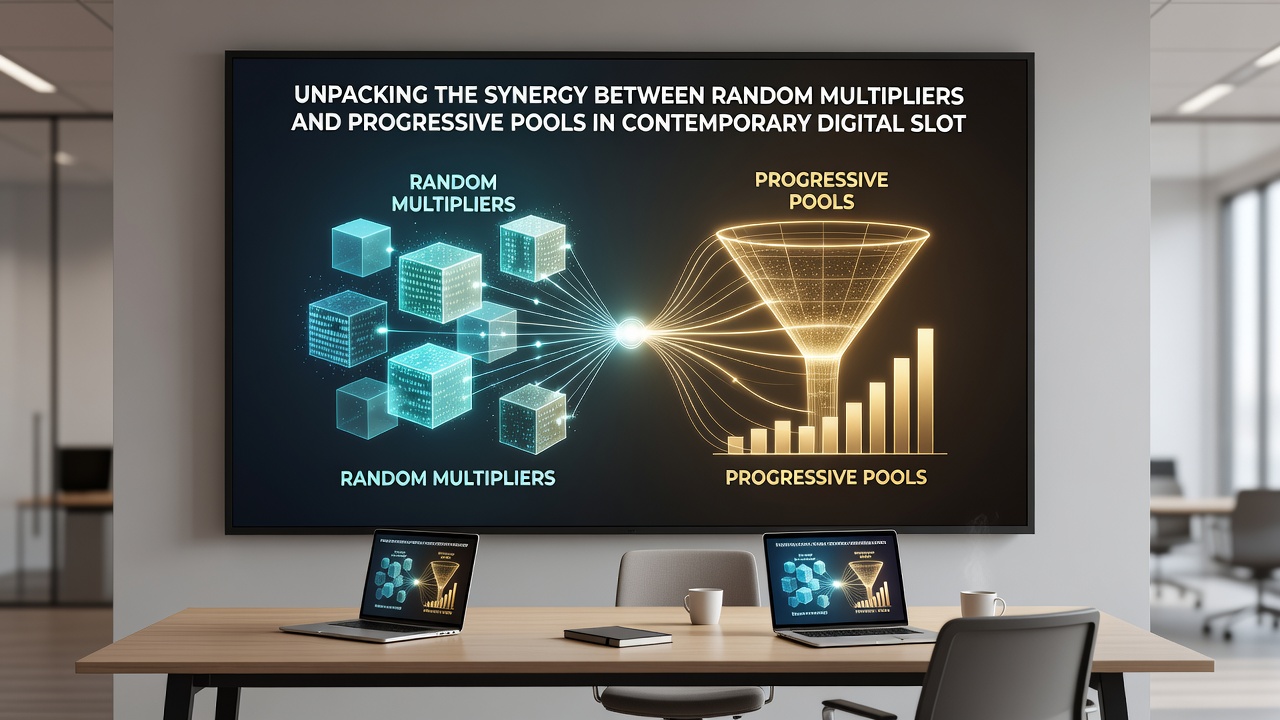
When random multipliers interact with progressive pools, the multiplier applies to the progressive prize in certain configurations, which multiplies the jackpot amount awarded to the player and increases the effective payout range without altering the underlying contribution formula. This interaction occurs in titles where the progressive win condition aligns with a multiplier trigger event, and observers note that such designs appear more frequently in mobile-optimized releases that emphasize bonus round variety. The combined system maintains mathematical balance through adjustments to base game hit frequencies, ensuring the expected value remains within regulatory tolerances across extended play sessions.
Implementation Patterns Observed in 2026 Releases
Through August 2026 developers have incorporated these paired features into titles across multiple software platforms, and patterns show increased use of tiered progressive structures where lower-tier pools receive multiplier boosts more often than the grand prize level. This approach distributes smaller enhanced wins at regular intervals while preserving the appeal of the top progressive amount, and data from gaming analytics firms indicate session lengths extend when players encounter these intermittent boosts. Algorithm adjustments ensure that multiplier triggers do not disproportionately favor any single progressive tier, which preserves the integrity of the overall prize distribution model.
Regulatory and Technical Considerations
Regulatory frameworks in various regions require transparent disclosure of how multipliers affect progressive outcomes, and certification labs test random number generators for both features to confirm independence and fairness. Technical standards from bodies such as the Nevada Gaming Control Board mandate that progressive resets occur immediately after a qualifying win, while multiplier values remain fixed once triggered to prevent post-win manipulation. European operators follow similar guidelines under the Malta Gaming Authority, which emphasizes audit trails for all random events that influence prize calculations.
Player Experience Data and Retention Metrics
Analytics collected from online platforms show that titles featuring both random multipliers and progressive pools record higher engagement metrics than single-feature games, and retention rates improve when multiplier events occur within the first 50 spins of a session. These patterns hold across demographic groups, although frequency preferences vary by region and device type. A study published by the University of Nevada, Las Vegas International Gaming Institute examined session data and found that the presence of visible progressive meters combined with occasional multiplier displays correlates with extended play times without changes to overall loss rates.
Conclusion
The integration of random multipliers and progressive pools in digital slot titles relies on precise algorithmic coordination that balances excitement with regulatory compliance, and ongoing refinements continue to shape how these elements function together. Data from multiple sources confirm that such combinations remain a standard component in contemporary game design, with technical specifications ensuring consistent performance across platforms and jurisdictions.