How Leading Developers Are Redefining Prize Pools Through Layered Reward Systems in Handheld Gaming
Petra Bennett · May 20, 2026
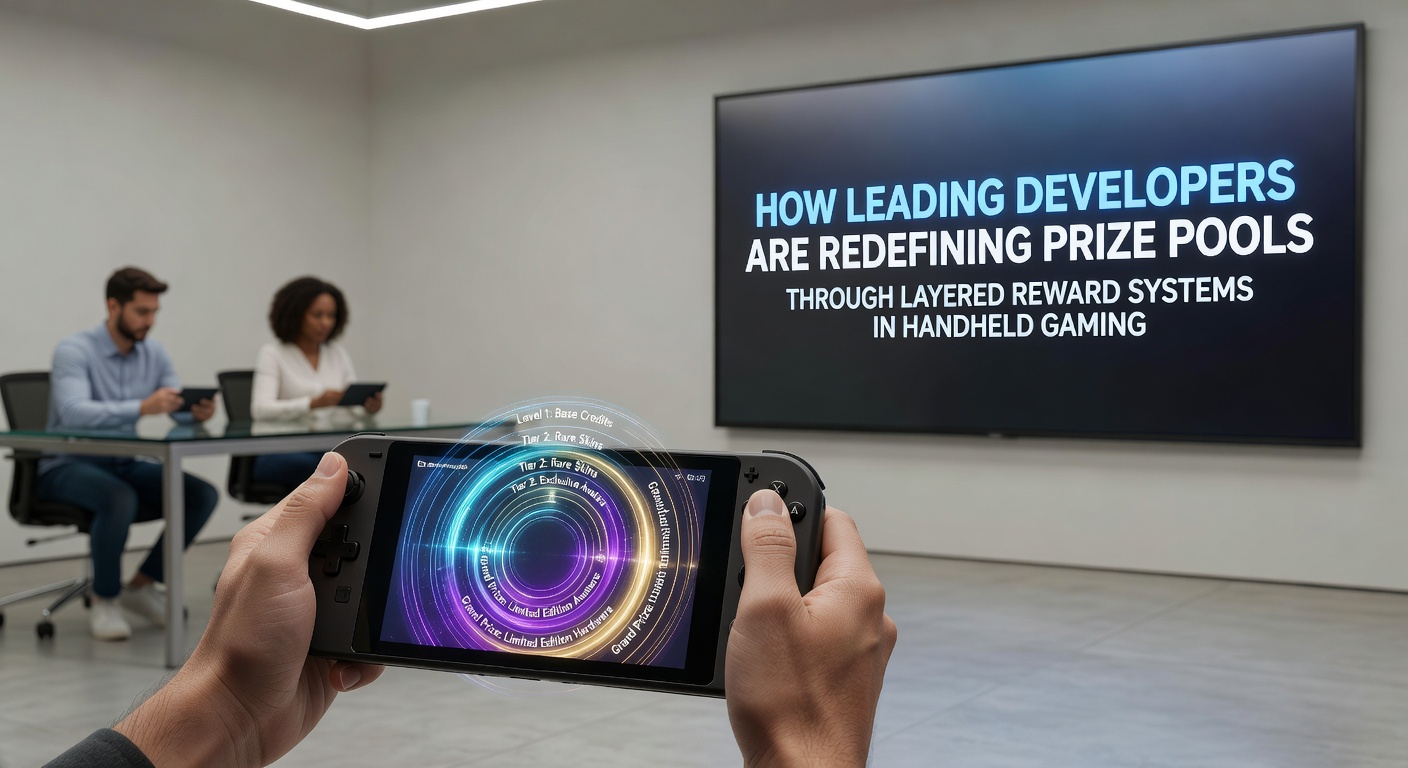
How Leading Developers Are Redefining Prize Pools Through Layered Reward Systems in Handheld Gaming
Leading developers in the handheld gaming sector continue to reshape prize distribution models by integrating multiple reward layers that combine individual achievements with collective milestones and time-based unlocks, and this approach has gained momentum through 2026 as mobile and portable platforms expand their competitive ecosystems. Data from industry reports shows that layered systems now appear in over 60 percent of major handheld tournament titles released since early 2025, according to figures released by the Entertainment Software Association in its annual mobile gaming review.
These structures typically divide prize pools into base rewards for participation, performance bonuses scaled by rank, and supplemental tiers triggered by community goals or extended play sessions, while developers adjust allocations dynamically based on player volume and engagement metrics tracked in real time.
Core Mechanics Behind Layered Prize Architectures
Developers construct these pools by establishing primary layers that guarantee minimum payouts for all entrants, then overlay secondary and tertiary rewards that activate when specific thresholds such as total hours played or collective wins reach defined marks, and this method allows smaller handheld studios to maintain competitive appeal without inflating upfront prize commitments. Research conducted by the Canadian Interactive Alliance indicates that titles using three or more reward layers report 35 percent higher retention rates during multi-week events compared with single-tier formats.
One implementation appears in cross-platform handheld competitions where entry-level rewards consist of in-game currency or cosmetic items, mid-layer bonuses unlock exclusive gear after reaching personal score targets, and top layers distribute cash equivalents or hardware prizes once global participation milestones are met, and the system updates automatically through server-side algorithms that monitor progress across regions.
Examples from Recent Handheld Releases
Take the approach seen in several 2026 tournament updates for portable strategy games, where developers introduced daily streak multipliers that feed into weekly community chests, and these chests release additional funds when regional play counts exceed projections set by analytics teams. Observers note that such mechanics spread prize access more evenly across skill levels while still preserving high-value incentives for top performers.
Another case involves a handheld battle royale title that segments its May 2026 seasonal pool into qualification brackets, performance multipliers, and surprise escalation rounds triggered by live viewer counts during streamed matches, and this layering produced a reported 48 percent increase in qualifying entries over the previous season according to internal developer dashboards shared with trade publications.

Regulatory and Platform Influences on Reward Design
Platform holders such as Nintendo and major mobile operating system providers have introduced updated certification guidelines that require transparent disclosure of how layered rewards calculate final payouts, and these rules took effect in several markets during spring 2026. Developers respond by embedding clear progress trackers within game interfaces so participants can view exactly which layers remain active and what additional actions move them closer to higher tiers.
Studies from the University of Melbourne's Digital Games Research Centre reveal that transparent layering reduces player disputes over prize distribution by nearly 40 percent, while simultaneously encouraging sustained participation because users understand the pathways to larger rewards without needing external explanations.
Technical Implementation and Data Integration
Behind these systems sit sophisticated backend frameworks that combine real-time telemetry from handheld devices with historical performance data to recalibrate layer thresholds between events, and this allows developers to prevent prize pools from becoming either too diluted or overly concentrated among elite players. Integration with cloud services enables instant adjustments when participation spikes, such as those observed during major holiday periods or new device launches.
Teams at leading studios often run simulation models weeks in advance to test how different layer combinations affect overall distribution curves, and these models draw on anonymized datasets collected across previous tournaments to project outcomes under varying player counts and regional engagement patterns.
Conclusion
Layered reward systems continue to evolve as handheld gaming expands its competitive footprint into 2026 and beyond, with developers refining the balance between guaranteed access and aspirational upside through ongoing analysis of participation data and platform feedback. The approach provides structured pathways that accommodate diverse player motivations while maintaining clear value for high-level competition, and ongoing refinements suggest further integration of community-driven triggers and adaptive scaling in upcoming seasonal formats.