Independent Studios Balance Risk Rounds and Foundational Tweaks in Growing Game Lineups
Finley Russell · May 27, 2026
Independent Studios Balance Risk Rounds and Foundational Tweaks in Growing Game Lineups
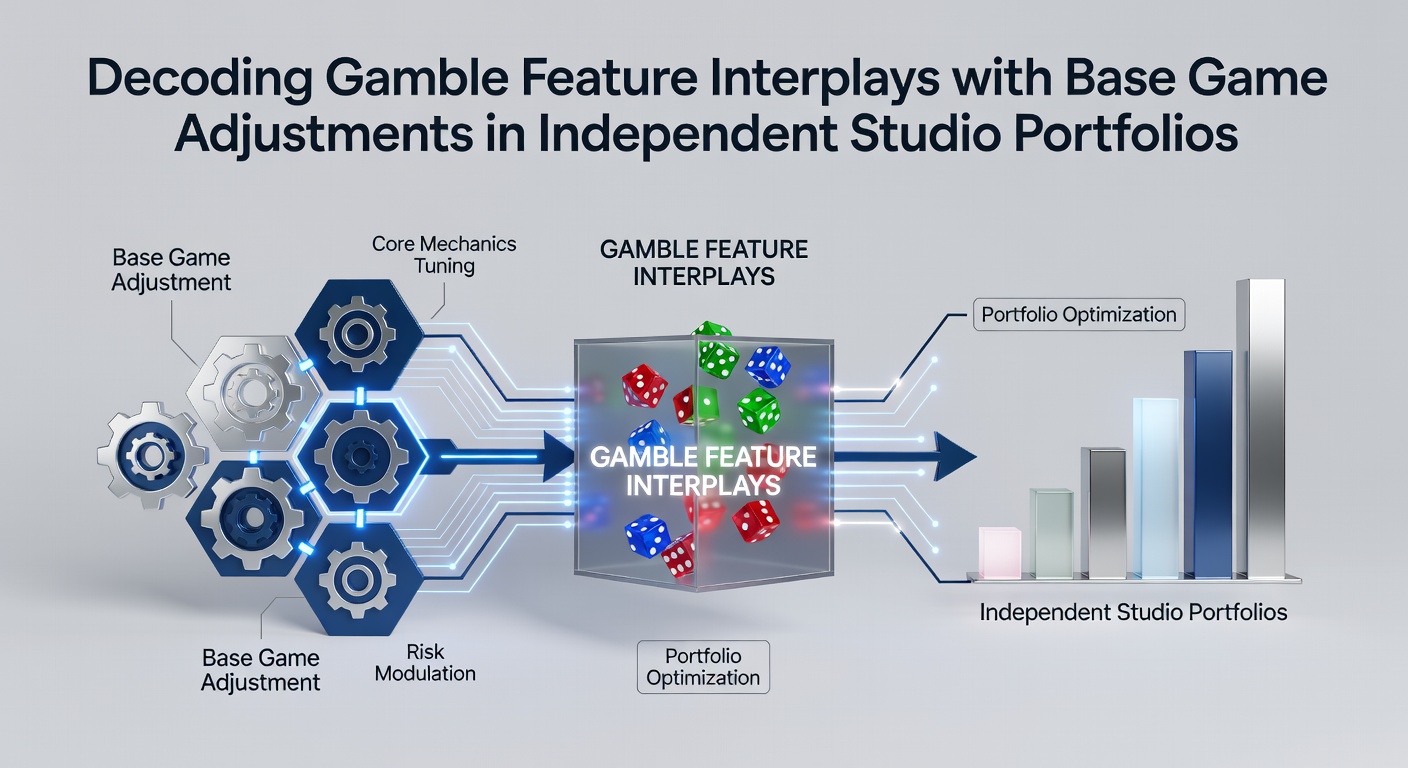
Independent studios have expanded their portfolios rapidly through 2026, and observers note that gamble features now require careful calibration with base game parameters to maintain consistent player engagement metrics. These smaller developers often operate with tighter resource pools than larger operators, which means adjustments to volatility in core reels or symbol distributions can directly influence the appeal of optional risk rounds that follow wins. Data from industry reports indicate that studios track these interactions through internal testing cycles rather than broad assumptions about player behavior.Core Mechanics and Risk Layer Integration
Base game adjustments typically involve shifts in reel strip configurations, payline densities, or symbol weighting that alter hit frequencies and average returns. Gamble features, by contrast, present players with choices to risk accumulated credits for higher multipliers or fixed prizes, and researchers have documented how these layers respond to upstream changes. When a studio lowers base game volatility by increasing low-value symbol frequency, the resulting smaller win sizes can reduce the perceived value of entering a gamble round, since the initial stake available for risk becomes less substantial. Conversely, studios that heighten base volatility through clustered high-value symbols often see increased uptake of gamble options because larger wins provide bigger potential rewards after the risk decision.
Portfolio Management Patterns in 2026
By May 2026, independent studios have begun publishing aggregated performance summaries that reveal deliberate sequencing of updates. One documented approach involves releasing base game revisions first, then introducing or modifying gamble mechanics in subsequent patches. This sequencing allows developers to measure shifts in session length and credit retention before layering additional risk elements. Figures from North American regulatory filings show that several boutique teams adjusted base game return-to-player percentages by 0.5 to 1.2 points while simultaneously recalibrating gamble success probabilities to keep overall portfolio variance within target ranges.

What's interesting is how these studios leverage modular design tools that let them isolate gamble parameters without rebuilding entire base games. A team might maintain three or four core reel sets and swap gamble overlays across multiple titles, which reduces development overhead while creating varied risk profiles. Observers note that this modularity also simplifies compliance checks because regulators can review isolated components rather than full game rebuilds.
Regional Regulatory Influences
Studios serving multiple jurisdictions must accommodate differing rules on gamble visibility and mandatory disclosure of risk odds. Reports from the Nevada Gaming Control Board highlight requirements for clear probability displays in risk rounds, while Australian state frameworks emphasize session time warnings that interact with both base and gamble elements. Independent developers often embed configurable toggles that activate or suppress gamble availability based on deployment region, and these toggles frequently tie into the same backend systems that manage base game volatility profiles. Such integration prevents unintended variance spikes when a title moves between markets.
Testing and Iteration Cycles
Smaller studios frequently rely on closed beta environments and anonymized telemetry to quantify how base adjustments propagate through gamble layers. One case involved a developer that increased scatter frequency in the base game to boost bonus entry rates, then observed a corresponding drop in gamble round participation because players reached bonus triggers before accumulating enough credits to risk. The studio responded by raising the minimum gamble stake threshold, which restored balance without altering the base reel math. Similar iterative loops appear across multiple portfolio updates tracked by trade associations in 2026.
Academic research from gaming technology programs has examined these dynamics through controlled simulations, confirming that gamble participation rates correlate strongly with average base win size rather than with advertised maximum multipliers alone. These findings encourage studios to treat gamble features as responsive extensions of base design rather than standalone attractions.
Conclusion
Independent studios continue refining the relationships between base game parameters adn gamble features as portfolio sizes grow. The interplay affects session metrics, regional compliance, and development efficiency, and current data streams show ongoing experimentation with modular tools and sequenced releases. As additional performance summaries become available later in 2026, clearer patterns may emerge around optimal calibration ranges that satisfy both player retention goals and regulatory expectations across different markets.