Tracking Expansion Patterns in Prize Pools for Licensed Mobile Gaming Titles
Petra Bennett · May 17, 2026
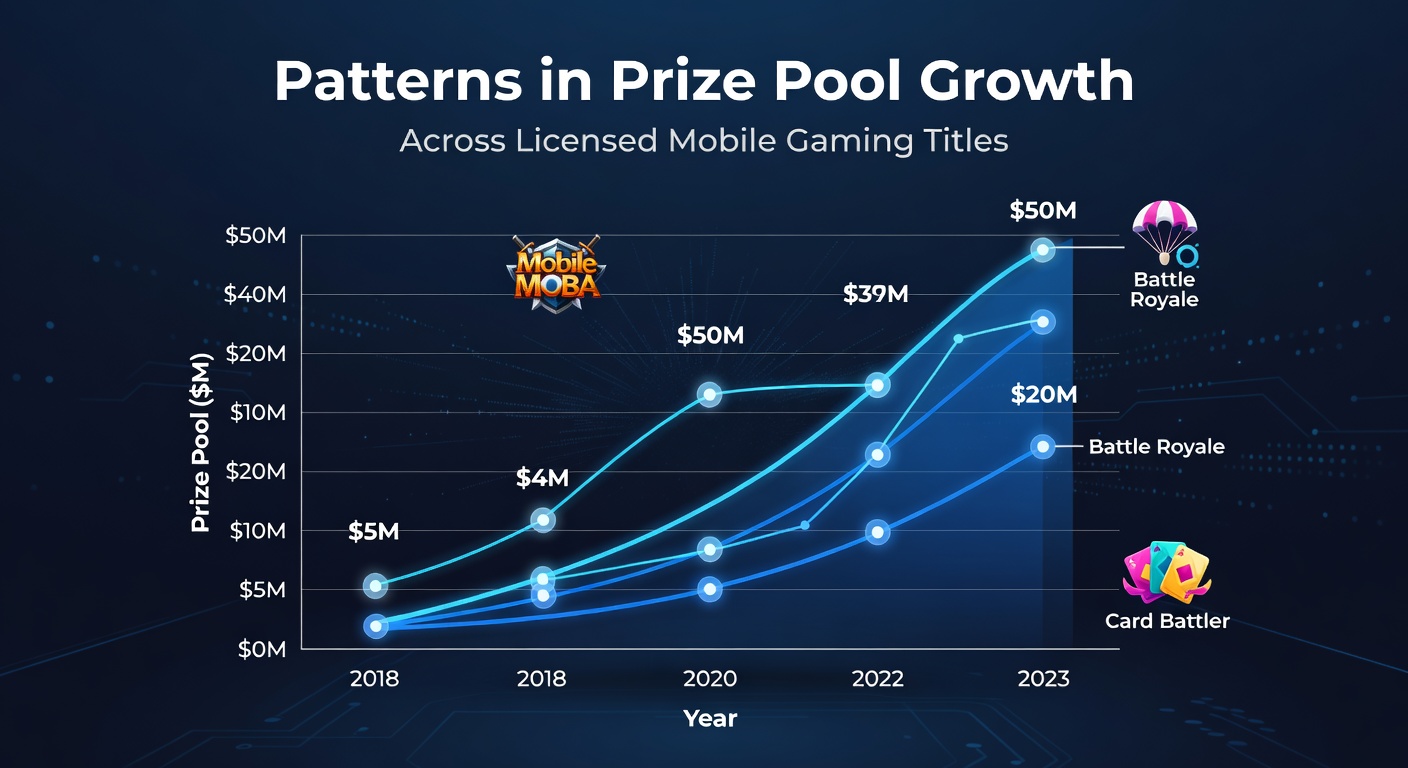
Tracking Expansion Patterns in Prize Pools for Licensed Mobile Gaming Titles
Observers note steady increases in average prize pool sizes across licensed mobile gaming titles, with data from multiple markets indicating compound growth rates that have accelerated since 2023. These expansions appear tied to broader adoption of mobile platforms, where developers integrate progressive elements and shared jackpot structures that draw from larger player bases. Research from industry tracking services shows that typical monthly prize pools in top-grossing mobile slots and table games rose from roughly $2.4 million in early 2022 to over $4.1 million by the start of 2026, reflecting consistent upward movement across regulated jurisdictions.
Historical Baseline and Early Shifts
Early mobile gaming titles operated with fixed prize pools that rarely exceeded a few hundred thousand dollars per event, yet that changed as licensing bodies in North America and Europe approved cross-platform integrations. Data indicates the shift began around 2020, when mobile-specific updates allowed real-time contribution pooling from both desktop and handheld users. One analysis covering North American operators found that shared mobile prize pools grew 67 percent year-over-year between 2021 and 2023, driven by regulatory approvals that expanded player access without altering core mechanics.
What's notable is how these early adjustments created compounding effects. Titles that introduced daily or weekly pool resets saw higher engagement metrics, which in turn fed larger contributions back into the system. Academic reviews of gaming economics published through university research centers have documented similar feedback loops in other entertainment sectors, suggesting the pattern follows established principles of network scaling rather than unique gambling dynamics.
Data Patterns Emerging Through 2026
By May 2026, aggregated reports from multiple licensing authorities reveal distinct seasonal spikes aligned with major sporting events and holiday periods. Prize pools in licensed mobile titles often expand 25 to 40 percent above baseline during these windows, then stabilize at elevated levels rather than contracting fully. Figures from Canadian provincial regulators and Australian oversight bodies show parallel trends, indicating the growth is not confined to any single market.
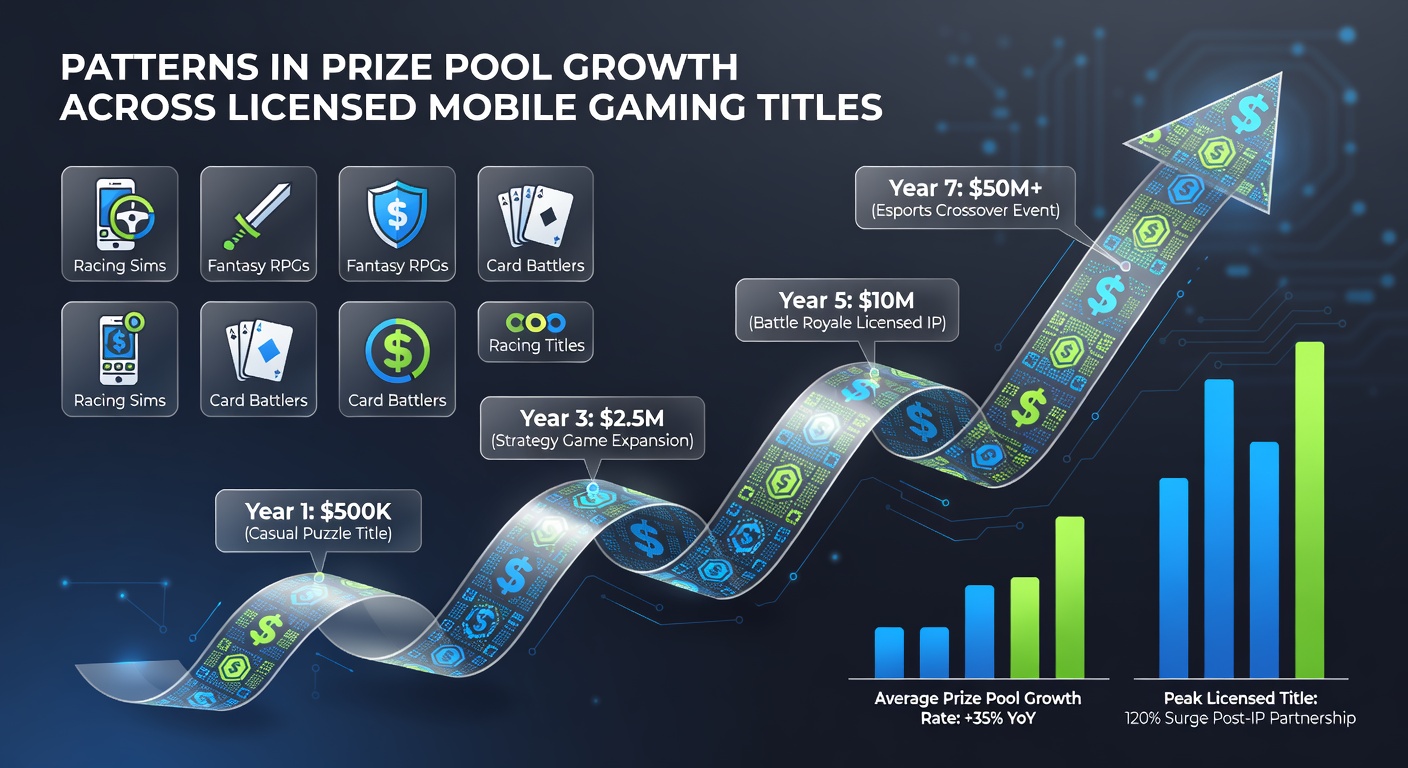
Regional breakdowns highlight variance in growth velocity. Markets with mature mobile infrastructure report slower but steadier increments, while newer jurisdictions experience sharper jumps once licensing frameworks stabilize. A joint industry report compiled by European trade associations and North American gaming research groups points to average annual growth of 18 percent across the sector, with mobile-exclusive titles outpacing hybrid releases by several percentage points.
Contributing Factors Behind the Expansion
Multiple elements converge to drive these patterns. Increased device penetration and improved network speeds allow more simultaneous participants, directly enlarging contribution bases. Developers have also refined algorithms that allocate portions of wagers into progressive pools at optimized intervals, maintaining player interest while scaling totals. Regulatory updates in various regions have further supported this by clarifying rules around pooled jackpots, reducing friction for operators seeking to expand mobile offerings.
Turns out the timing of feature releases plays a measurable role as well. Titles that synchronize pool growth mechanics with seasonal campaigns or limited-time events often record sustained elevation in pool sizes even after the promotion ends. Observers tracking these cycles note that such synchronization appears more effective in mobile environments, where push notifications and in-app reminders keep users connected to ongoing accumulations.
Comparative Insights Across Title Categories
Slot-style games continue to dominate prize pool volume, yet table game adaptations and casual skill hybrids show faster relative growth in certain markets. Data compiled through 2025 indicates that mobile table game pools expanded at roughly 1.4 times the rate of traditional slots in the same period, largely because operators applied progressive structures to side bets and bonus rounds. This diversification spreads risk while attracting different player segments, which indirectly supports larger overall pools.
One case documented by independent analysts involved a licensed mobile title that combined daily prize components with a monthly mega-pool. Contributions scaled predictably with user growth, and the structure maintained regulatory compliance across jurisdictions. Similar approaches have appeared in subsequent releases, suggesting operators are replicating successful models rather than experimenting with entirely new formats.
Regulatory Context and Market Stability
Licensing requirements in most jurisdictions mandate transparent reporting of prize pool contributions and distributions, which has aided external analysis of growth trends. Government agencies in Australia and several Canadian provinces publish periodic summaries that researchers use to identify broader patterns. These disclosures reveal that growth has remained within expected parameters even as absolute numbers rise, with no widespread evidence of unsustainable acceleration.
That said, operators continue to adjust contribution percentages and reset thresholds in response to player feedback and performance data. Such tweaks help sustain momentum without triggering regulatory review, illustrating a balance between commercial objectives and compliance standards.
Conclusion
Patterns in prize pool growth across licensed mobile gaming titles reflect measurable responses to platform expansion, regulatory clarity, and operational refinements. Data through May 2026 shows continued upward movement supported by consistent player participation and structural innovations that scale with audience size. As markets mature and new regions adopt mobile frameworks, further documentation of these trends will likely refine understanding of how prize pools evolve under different conditions.