Volatility Indices as Selection Tools for High-Payout Mobile Reel Games
Frankie Roth · Aug 21, 2026
Volatility Indices as Selection Tools for High-Payout Mobile Reel Games
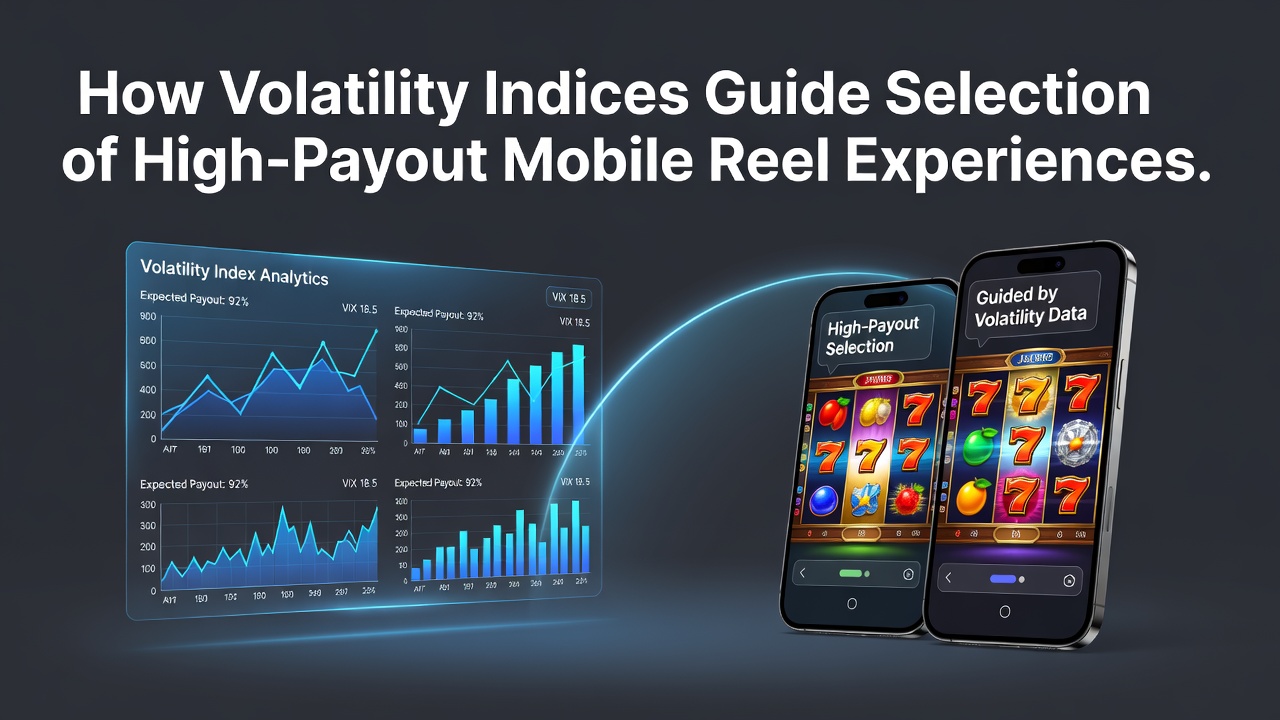
Volatility indices measure the frequency and size of wins in mobile reel games, and developers publish these ratings to help operators and players match titles to specific payout expectations. High-volatility slots produce larger but less frequent payouts while low-volatility options deliver smaller wins at shorter intervals, and medium-volatility games sit between the two extremes. Mobile platforms display these indices prominently in game information screens so users can review risk profiles before selecting a title.
Core Components of Volatility Ratings
Game studios calculate volatility through mathematical models that track return-to-player percentages alongside win distribution curves, and the resulting index appears as a numeric scale or descriptive label such as low, medium, or high. Software testing laboratories verify these figures by running millions of simulated spins, and regulators in multiple jurisdictions require disclosure of the verified data. In August 2026 several North American operators updated their mobile lobbies to include clearer volatility filters that let users sort games by expected payout rhythm.
Research from the Pennsylvania Gaming Control Board indicates that titles labeled high volatility account for a growing share of mobile jackpot triggers even though they represent fewer total spins. Players who review these indices before launching a session often adjust bet sizes to match the volatility level, which alters session length and total stake exposure.
Matching Volatility to Payout Goals
Users seeking infrequent but substantial returns typically select high-volatility mobile reels that feature progressive jackpots or multiplier ladders, whereas those preferring steady smaller credits choose low-volatility games that maintain longer playtime on the same bankroll. Medium-volatility titles appeal to players who want a balance between win frequency and payout size, and many studios now release variant versions of the same base game with different volatility settings to accommodate varied preferences.
One study released by the University of Nevada, Reno gaming research group tracked mobile session data across three volatility tiers and found that high-volatility selections produced the largest single-spin outcomes in the sample set. The same data set showed low-volatility games maintained average session durations roughly double those of high-volatility counterparts under identical starting balances.

Practical Application in Mobile Interfaces
Modern mobile casino applications integrate volatility indices into search and filter functions so users can narrow results by risk category before any real-money play begins. Developers embed the index value in the paytable screen alongside RTP figures, and operators often add color-coded icons that correspond to the volatility level for quick visual scanning. These interface choices reduce the time spent reviewing individual game rules and allow faster selection aligned with payout objectives.
Industry reports from the Independent Gaming Authority in New South Wales document increased usage of volatility filters on mobile devices compared with desktop platforms, and the trend aligns with shorter average session times recorded on smartphones. Players who apply these filters report selecting titles that better match their intended spend per session.
Technical Factors Behind Index Accuracy
Random number generators and reel weighting algorithms determine the actual volatility realized during play, and independent audits confirm that published indices remain consistent across certified versions of each game. Updates to base game mathematics occasionally shift volatility ratings, and studios issue revised indices after regulatory re-certification. Mobile users who track these updates through release notes can adjust future selections when a previously medium-volatility title moves into the high-volatility category.
Conclusion
Volatility indices supply measurable data that guides selection of mobile reel experiences toward specific payout patterns. Operators and players use these verified ratings to align game choice with session goals, and ongoing regulatory disclosures keep the information accessible and current. As mobile interfaces continue to refine filter tools, volatility data remains a central reference point for matching reel mechanics to desired return characteristics.