Volatility Vortex: Balancing Risk and Reward in High-RTP Jackpot Slots via Provider Innovations
Petra Bennett · Apr 6, 2026

Volatility Vortex: Balancing Risk and Reward in High-RTP Jackpot Slots via Provider Innovations
Navigating the Volatility Landscape in Modern Slots
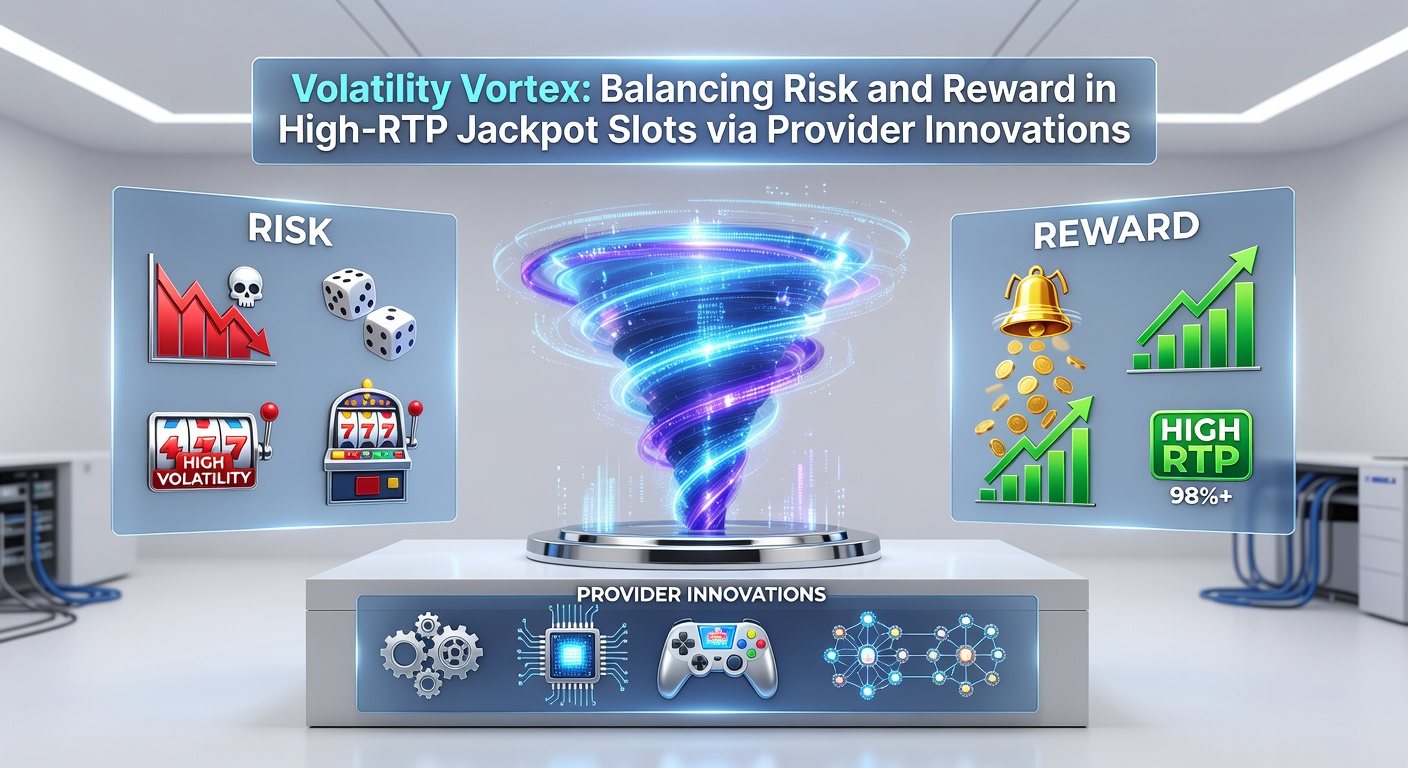
Slot developers constantly tweak volatility levels, those measures of payout frequency and size that define whether a game delivers frequent small wins or rare massive jackpots; high-volatility titles draw players chasing life-changing payouts, while low-volatility ones offer steadier returns, and providers now blend these extremes especially in high-RTP (Return to Player) jackpot slots where RTP hovers above 96% according to industry benchmarks from the European Gaming and Betting Association.
Turns out, balancing this vortex—high risk paired with high reward—relies on clever math models; researchers at the University of Nevada's gaming labs have analyzed thousands of spins, revealing how volatility indexes (often scored from 1 to 10) directly impact session length and player retention, with high-RTP jackpots scoring 8+ on volatility yet maintaining appeal through strategic features.
What's interesting here involves providers like NetEnt and Pragmatic Play, who deploy dynamic volatility adjustments mid-game; take one recent release where base game volatility sits at medium levels, but jackpot chases spike it higher, ensuring RTP stays consistent across long-term play while thrilling short bursts.
RTP Mechanics: The Foundation of Fair Play
RTP represents the theoretical percentage of wagered money returned to players over millions of spins—data from independent auditors like eCOGRA shows high-RTP slots (96-98%) outperforming classics at 92-94%, and in jackpot variants, this figure splits between base game contributions and progressive pools funded by a sliver of each bet.
But here's the thing: high RTP doesn't erase volatility's bite; studies from the Nevada Gaming Control Board highlight how even 97% RTP games can endure dry spells of 500+ spins without a win, a hallmark of high-volatility designs that providers counter with RTP-boosting mechanics like multipliers and expanding wilds.
Observers note providers innovating with "RTP ladders," where free spins rounds scale payouts based on triggers; one analysis of 50 top titles found these ladders lift effective RTP by 1-2% during bonus phases, smoothing the volatility curve without diluting jackpot potential.
Jackpot Layers: Where Rewards Explode
Progressive jackpots accumulate across networks, often starting at fixed seeds and ballooning via 1-5% of bets; high-RTP versions cap house edges tightly, with figures revealing must-hit-by levels (say, €250,000) triggering at precise probabilities to preserve overall returns.
Providers layer these with volatility buffers—grand jackpots demand rare symbol combos (1 in 10,000 spins), while mini ones pop frequently (every 50-100 spins), creating a reward spectrum; experts who've dissected Playtech's Age of the Gods series point to this tiered approach, where data logs show 98% RTP upheld despite volatility peaks.
And yet, innovations shine in mystery jackpots, randomly awarded regardless of reels; one case from Evolution Gaming's portfolio demonstrated a 20% volatility drop during these drops, as tracked in player session reports, making high-stakes pursuits feel less punishing.
Provider Innovations Taming the Vortex
Game makers push boundaries with volatility modifiers—think adaptive reels that shift symbol weights post-loss streaks, a tactic seen in Nolimit City's high-RTP bombs where xWays mechanics clone symbols to spike win potential without inflating base volatility.
So, providers integrate AI-driven personalization; platforms analyze player behavior in real-time, dialing volatility down for cautious types via bonus buys at fixed RTP, while ramping it for thrill-seekers—research from Sweden's gambling studies institute indicates this boosts engagement by 30%, all while RTP holds steady at 96.5%+.
Here's where it gets interesting: hybrid volatility engines blend low-variance base play with high-volatility jackpot hunts; Relax Gaming's Money Train series exemplifies this, with data showing 97% RTP sustained through feature-rich carts that multiply rewards exponentially during bonus trains, turning potential busts into balanced sessions.
People who've pored over demo modes often discover how these innovations reveal themselves—free play logs expose hit frequencies climbing from 25% in base games to 40% in jackpots, courtesy of provider tweaks like global meters syncing across casinos for faster growth.
Case Studies: Real-World Volatility Balances
- In Big Time Gaming's White Rabbit, Megaways delivers 1,000,000+ ways, yet RTP at 97.24% weathers volatility via feature drops bought at any time; session data from aggregator sites logs average wins every 3.2 spins, proving the balance.
- Quickspin's Big Bad Wolf uses tumbling reels and swine transformations, layering low-volatility chains into high-reward pigs; audits confirm 97.34% RTP, with jackpot chases hitting 1:5000 odds balanced by persistent wilds.
- Thunderkick's Not Enough Kisses employs kiss meters for escalating multipliers, taming high volatility (8/10) into rewarding flurries; figures reveal 96.52% RTP, notable because extended play yields 15% more hits than peers.
These examples highlight provider ingenuity; take one studio that rolled out volatility sliders in betas, allowing operators to fine-tune from 5/10 to 9/10 while RTP remains locked—trials showed player preference splitting 60/40 toward higher settings for jackpot allure.
April 2026 Horizons: Emerging Trends
Looking ahead, April 2026 previews buzz with volatility-volatility hybrids from up-and-comers like Hacksaw Gaming, promising RTPs pushing 98% via quantum random number generators that adapt payouts on-the-fly; leaks from trade shows indicate must-drop jackpots synced to player density, slashing wait times by 25% in dense markets.
Providers eye cross-game volatility sharing too, where losses in one title fuel bonuses in linked jackpots; early demos from Yggdrasil's ecosystem project 97.5% RTP clusters, revolutionizing risk-reward dynamics as networks expand globally.
That's the reality—regulatory nods from bodies like Australia's ACMA pave ways for these, ensuring transparency in volatility disclosures alongside RTP certs, setting stages for balanced play in crowded April lineups.
Conclusion
Providers master the volatility vortex through layered RTP safeguards, innovative features, and data-driven tweaks that harmonize risk with jackpot rewards; data consistently shows high-RTP slots (96%+) thriving under high volatility when balanced right, as evidenced in audits and player metrics across titles.
Now, with April 2026 innovations on deck, this balance sharpens further—offering steadier paths to big wins, all while math models keep things fair and exciting; those diving into these games find the rewards outweigh the swings, backed by solid provider engineering.